

Warehouse Safety & PPE: A Practical Guide for Managers
Warehouses are among the most hazardous working environments in the UK. With forklifts, manual handling, working at height, and spill risks all present in the same space, maintaining robust safety standards isn't optional, it's a legal obligation and a moral one. This guide covers the key areas warehouse managers should focus on, from PPE essentials to safety systems that protect your people every day.
Know Your Legal Obligations
UK warehouses are governed by a range of legislation including the Health and Safety at Work Act 1974, the Personal Protective Equipment at Work Regulations, PUWER (Provision and Use of Work Equipment Regulations), and LOLER (Lifting Operations and Lifting Equipment Regulations). Employers are required to carry out regular risk assessments, provide appropriate PPE free of charge, ensure equipment is maintained and inspected, and train operators to use equipment safely. Non-compliance can result in significant fines, prosecution, and, more importantly, serious harm to your workforce.
PPE Essentials for Warehouse Environments
Personal protective equipment is the last line of defence, not the first, but it remains essential. Standard warehouse PPE should include:
- Safety footwear: Steel or composite toe-capped boots protect against dropped loads and forklift run-overs. Anti-slip soles are critical on wet or greasy floors.
- High-visibility clothing: Hi-vis vests or jackets ensure pedestrians are always visible to forklift operators, non-negotiable in any facility with truck traffic.
- Head protection: Hard hats or bump caps should be worn in areas where overhead working or racking operations create a risk of falling objects.
- Gloves: Cut-resistant gloves for handling sharp materials, chemical-resistant gloves for spill control or cleaning tasks.
- Eye protection: Safety glasses or goggles for dusty environments, chemical handling, or any task with projectile risk.
- Ear protection: Where noise levels regularly exceed 80dB, hearing protection must be available; above 85dB, it becomes mandatory.
Forklift Safety: Protecting Pedestrians and Operators
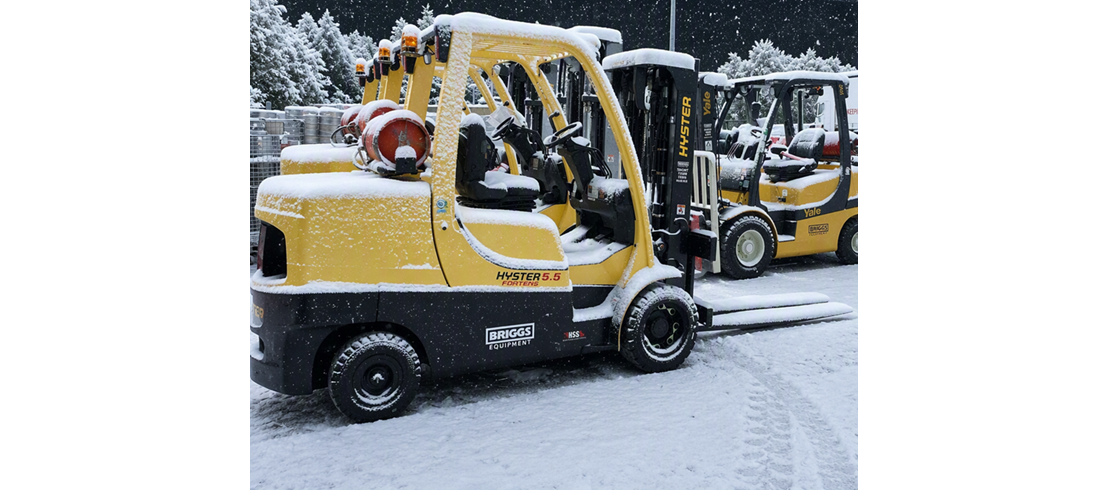
Forklift-related incidents account for a significant proportion of serious workplace injuries in UK warehouses. A layered approach to safety is most effective:
- Segregation: Clearly marked pedestrian walkways and forklift zones, enforced by physical barriers where possible.
- Speed limits: Signage and floor markings reinforcing on-site speed limits for all truck traffic.
- Camera systems: Rear-view and proximity cameras reduce blind spot incidents, particularly in busy loading bays.
- Fleet management systems: Telematics tools such as Optafleet allow managers to monitor truck usage, operator behaviour, and impact events in real time.
- Pre-shift checks: Safety check books ensure operators carry out documented daily inspections before using equipment.
- Operator training: Only trained and authorised operators should use powered industrial trucks. Training should be refreshed regularly.
Spill Control: Don't Wait for an Incident
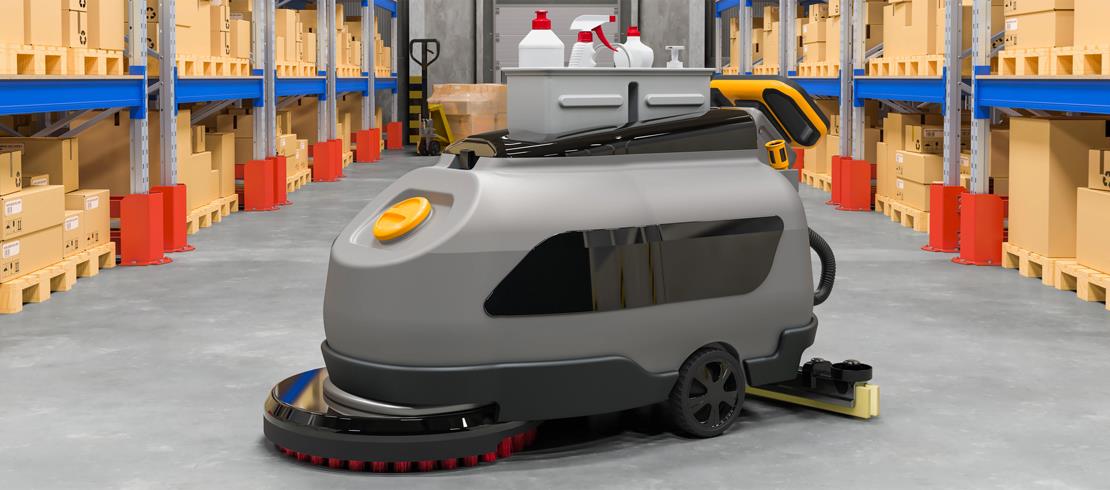
Liquid spills, whether from damaged stock, cleaning operations, or machinery leaks, create immediate slip hazards and potential environmental liability. Every warehouse should have a spill control plan in place, including clearly located spill kits appropriate for the substances on site (general purpose, chemical, or oil-specific), staff trained in how to use them quickly and safely, and a clear procedure for reporting and recording spills. Briggs Equipment stocks a range of spill control solutions to help facilities stay prepared.
Working at Height: Ladders, Platforms, and Racking
Falls from height remain one of the leading causes of fatal workplace injuries in the UK. In a warehouse context, risk areas include order picking from racking, maintenance tasks, and loading bay operations. Key controls include:
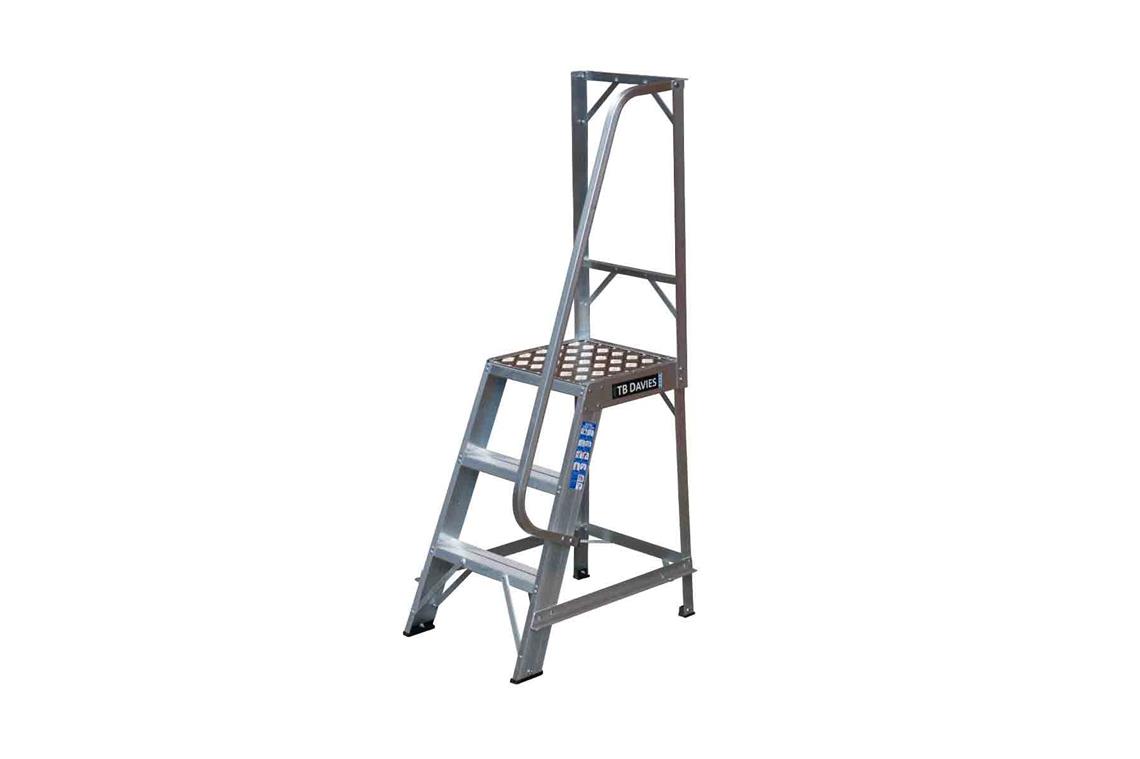
- Use the right equipment: Step ladders, podium steps, and scaffold towers all have appropriate use cases, ensure the correct equipment is selected for each task.
- Inspect before use: All ladders and access equipment should be visually inspected before each use and formally inspected at regular intervals.
- Racking integrity: Damaged racking is a serious hazard. Implement a racking inspection programme and replace damaged uprights, beams, or footplates promptly.
- Access at height equipment: For frequent picking at height, consider purpose-built access platforms that offer a more stable and ergonomic solution than ladders.
Building a Safety Culture, Not Just a Safety Policy
The most effective warehouses don't just have safety rules, they have a safety culture. That means near-miss reporting is encouraged (not penalised), safety briefings are regular and meaningful, managers lead by example by wearing PPE and following procedures, and safety equipment is always in good condition and easy to access. Investing in the right equipment, signage, training, and PPE sends a clear message to your team: their wellbeing comes first.
How Briggs Can Help
Briggs Equipment's Warehouse Safety & Solutions range covers everything from workwear and PPE to spill control, camera systems, fleet management technology, racking, ladders, scaffolding, fire safety equipment, and more. Our team of over 600 UK engineers also supports ongoing compliance through equipment servicing, inspection programmes, and operator training.
Browse our full Warehouse Safety & Solutions range at briggsstore.co.uk, or call us on 0800 021 7820 to speak to a specialist.
You may also like...